
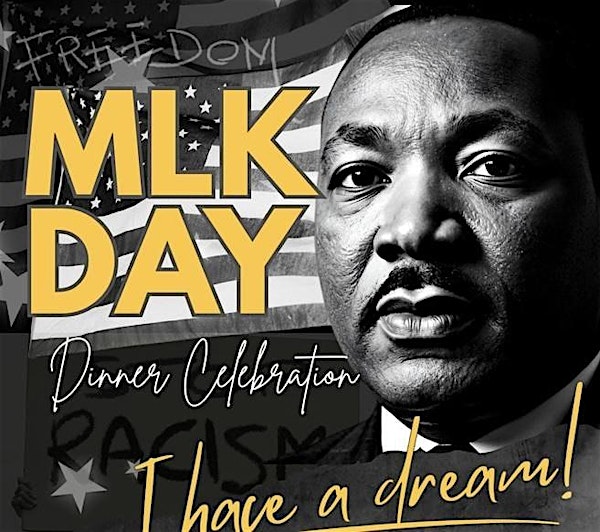
January is a month of fresh starts. As the new year begins, many people make resolutions and look for meaningful ways to turn the page on the past and set a hopeful tone for the months ahead.
In the middle of this month, Martin Luther King Jr. Day offers another powerful opportunity for reflection and action. Dr. Martin Luther King Jr. was an American Baptist minister, activist, Nobel Peace Prize recipient, and one of the most influential leaders of the civil rights movement. From the mid-1950s until his assassination in 1968, his leadership shaped the struggle for racial justice in the United States. He championed nonviolent protest, including the historic March on Washington in 1963, where he delivered his iconic “I Have a Dream” speech.
Observed on the third Monday in January, Martin Luther King Jr. Day is a federal holiday honoring his life, legacy, and ongoing impact. It is often called “a day on, not a day off,” because it invites people to serve, learn, and build community. Here are several meaningful ways to celebrate Dr. King and carry his work forward, including through the powerful act of sharing food.
Give what you can
• Donate money or goods to local charitable organizations that support people in need.
• Contribute to food pantries, community fridges, or meal programs that help address hunger and food insecurity—issues that are deeply connected to economic and racial justice.
• Consider donating culturally meaningful foods or ingredients that reflect and respect the traditions of the communities being served.
Donate your time
• Volunteer at a nonprofit, school, shelter, or community center.
• Help prepare or serve meals at a soup kitchen or MLK Day community luncheon. Sharing food and conversation can be a simple but profound way to practice Dr. King’s message of dignity and belonging for all.
Revisit the “I Have a Dream” speech
• Set aside time to watch or listen to the full 17-minute speech.
• Reflect on how his vision of justice, equality, and unity connects to the present day—including how we gather, eat, and build community across lines of race, class, and background.
Promote equality initiatives
• Support organizations that work for voting rights, criminal justice reform, fair housing, education equity, and economic opportunity.
• Use MLK Day as a starting point to commit to ongoing learning and advocacy throughout the year.
Bring people together through events and food
• Host or participate in community mixers, potlucks, or neighborhood gatherings that bring together people from different backgrounds.
• Consider planning a special MLK Day meal that highlights dishes from African American culinary traditions—often referred to as soul food—such as collard greens, black-eyed peas, cornbread, sweet potatoes, or fried or baked chicken.
• Use the meal as a space for conversation: read a short passage from Dr. King’s speeches, share stories about civil rights history, or discuss how to advance justice in your own community.
• Encourage participants to bring dishes that represent their own cultures, creating a table that reflects the diversity and unity Dr. King envisioned.
Plant a tree or other lasting symbol
• Plant a tree, garden, or community plot as a living tribute to Dr. King’s legacy.
• Consider growing herbs or vegetables that can later be used in community meals or donated to local food programs, linking environmental stewardship with food justice.
Learn more about Dr. King and the movement
• Visit museums, cultural centers, or historic sites that feature exhibits on Dr. King and the civil rights movement.
• Read biographies, letters, or speeches, or watch documentaries and films about his life and the broader struggle for civil rights.
• Explore how access to food, fair wages, and economic justice were part of the broader movement—Dr. King spoke frequently about poverty, workers’ rights, and the need for a “beloved community” where everyone’s basic needs are met.
Celebrate with intention through food
Food can be a powerful way to honor Dr. King’s legacy. On MLK Day, you might:
• Prepare a meal inspired by African American culinary traditions and take time before eating to reflect on Dr. King’s life and words.
• Invite family, friends, or neighbors to a shared meal where everyone brings a dish and a quote from Dr. King or another civil rights leader.
• Support Black-owned restaurants, bakeries, or food businesses in your area as a way of celebrating the day through economic solidarity.
• Cook extra portions to share with a neighbor, elder, or someone in need, embodying Dr. King’s message of service and love in action.
Martin Luther King Jr. Day is more than a day off from work or school. It is a chance to honor a man whose courage, compassion, and vision continue to shape our world. Whether by serving others, learning more about his life, or gathering around a table to share food and conversation, each of us can use this day to help build the more just and loving community Dr. King dreamed of.